Peloton to Boardroom
From the peloton to the boardroom
Professional cycling builds endurance, race-reading and reliability under pressure. It does not automatically build chief executives. These ten riders made that transition, and the lessons are written for leaders, not for after-dinner speeches.


Peloton
Boardroom
Domestique takes the wind
Know the winner who you are protecting
Road captain reads the race
A trusted extension from the board
Sprinter is sheltered until the last 300m
Know how to protect your leader
Directeur sportif names the plan
Calls the strategy
Generated scene: a peloton from behind, far enough that no rider is identifiable.
Ten riders who raced at professional, Olympic or national-team level later built or led an organisation you can inspect. What the racing gave them, what the company demanded, and the one lesson I would put on the table in a first session.
Why does the peloton produce leaders?
Road racing is a team sport that pays individuals. A rider learns to endure hardship by choice, to read a race that changes every kilometre, and to accept that the strongest person does not always win. Tactics, weather or a puncture can decide the day. That is closer to running a company than most sports allow.
I raced in Ireland as a junior and won the national road title in 1983, then spent my working life as a chief executive across several countries. The overlap between the two careers is narrower than the after-dinner speeches claim, and more useful once you are precise about which parts travel.
What transfers from the peloton to the board, and what does not?
Three things transfer. The first is load design: knowing when to spend effort and when to recover, across a season rather than a day. The second is measurement. A time trial is an argument with a clock, and there is nowhere to hide. The third is the willingness to be taught, which matters most when fame makes it feel unnecessary.
The palmarès itself does not transfer. A list of wins opens a door; it is not a qualification for the room behind it. Fame is not margin. A champion used to the peloton waiting for him will recreate that habit in an office, and the office will stall. I set out the difference in what elite sport taught me about boardroom performance: copy the system, not the heroics.
Who are these ten?
Alberto Contador was stripped of the 2010 Tour de France and the 2011 Giro by the Court of Arbitration for Sport in 2012, after a clenbuterol finding at the 2010 Tour. Jonathan Vaughters has been public that he used EPO as a rider. Pat McQuaid’s UCI presidency, from 2005 to 2013, overlapped the sport’s worst doping crisis. A testimonial from Pat McQuaid also appears on this site.
The lessons connect to my Leadership Guide on how leaders build teams, trust and change, and to my coaching for athletes moving from elite sport to the boardroom.
What did Eddy Merckx build after racing?
Merckx won five Tours de France and five Giros before retiring in 1978, and by his company’s own account did not know what to do next. Ugo De Rosa taught him and his team to weld and produce, and Eddy Merckx Cycles opened on 28 March 1980, supplying a Belgian professional team in its first season. Read how Merckx learned frame-building before selling bikes: dominance is not a factory, and even he needed a teacher.
What did Greg LeMond build after racing?
LeMond won the world road title in 1983 and 1989 and the Tour de France in 1986, 1989 and 1990. Trek made and distributed bikes under his name until it sued in 2008 to end the licence, saying his comments on doping had weakened the brand. In 2016 LeMond Composites announced a $125 million plan and 242 jobs around a carbon-fibre process from Oak Ridge National Laboratory, which is why LeMond’s Trek licence and his carbon-fibre company teach different lessons.
What did Sean Kelly build after racing?
Kelly was one of the outstanding classics riders of the 1980s, with Paris–Roubaix, Liège–Bastogne–Liège and Tour green jerseys. Afterwards he built Sean Kelly Cycling, selling kit made by Rogelli and Q36.5 for Irish and British weather, alongside an academy in Merchtem, Flanders, and a professional team that gave riders such as Sam Bennett an early start. The file on how Kelly built kit, an academy and a team around the weather he raced in makes one point: stay close to the conditions you know.
What did Chris Boardman build after racing?
Boardman won individual pursuit gold at the 1992 Olympics, then led research and development for the Great Britain Cycling Team from 2004 to 2012. Boardman Bikes launched in July 2007; when Halfords bought it in 2014 he stayed as chairman and design director, and he later chaired Sport England and led Active Travel England. This is how Boardman turned R&D into a bike brand and then a public brief: the method was always the product.
What did Sir Chris Hoy build after racing?
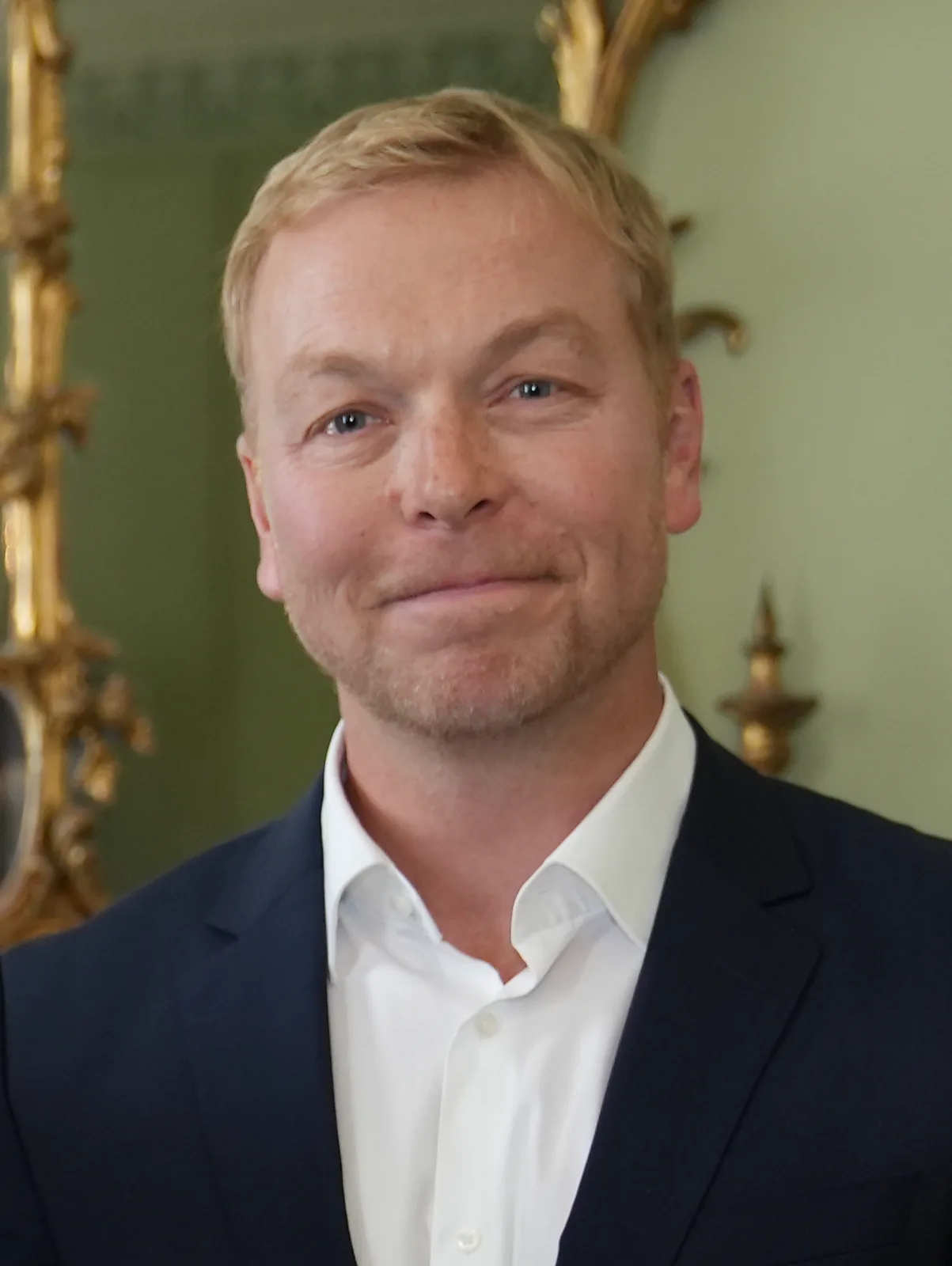
Hoy won six Olympic gold medals on the track. In November 2012 he announced HOY Bikes with Evans Cycles, three road and four city bikes due in spring 2013, and told the room: “I have to make it clear this a launch of the project and not the product.” That sentence explains why Hoy launched a project rather than a product, and few famous founders say it.
What did Alberto Contador build after racing?
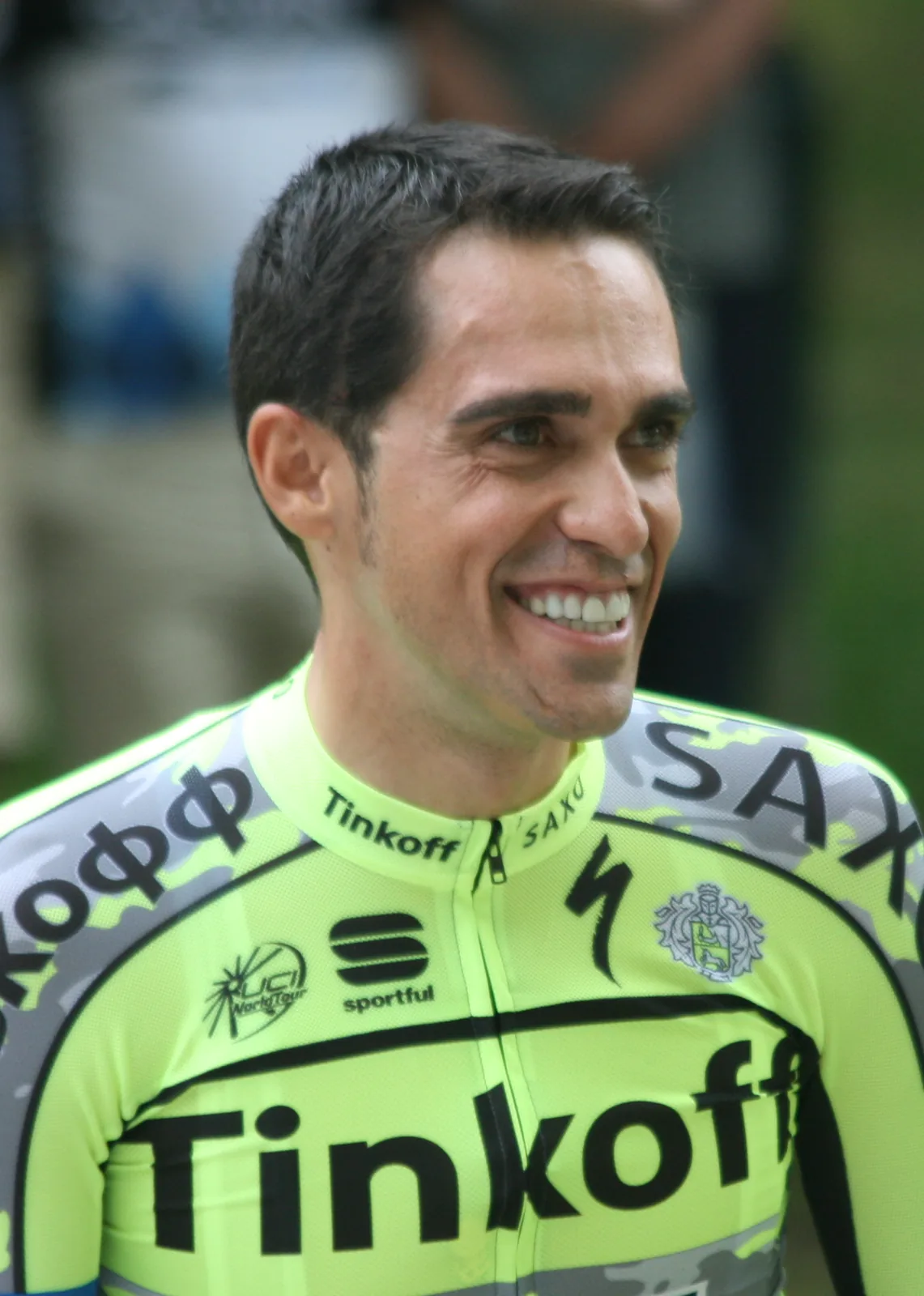
Contador won Grand Tours across the late 2000s and 2010s, with the stripped results noted above. On 29 September 2020 he and Ivan Basso unveiled Aurum and its first road bike, the Magma, priced from €9,799 complete. The profile on how Contador and Basso built Aurum as a partnership of peers is about choosing a co-founder who knows the job, then arguing about the product rather than the fame.
What did Fabian Cancellara build after racing?
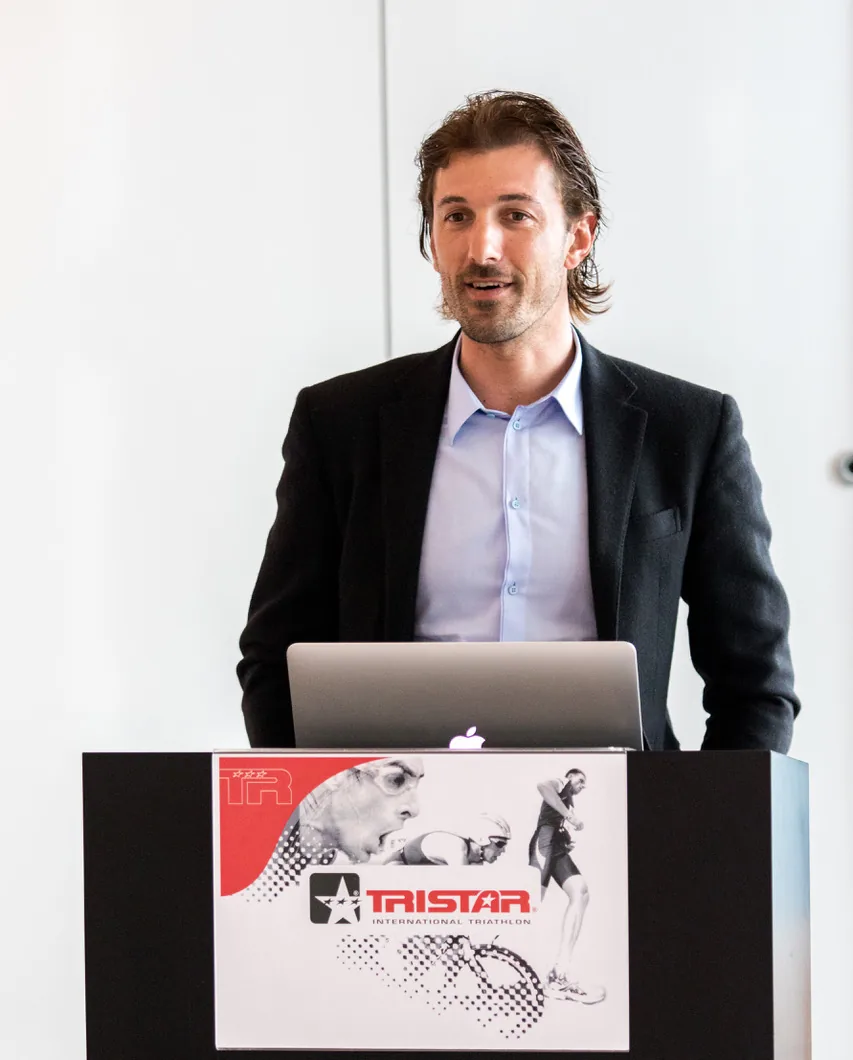
Cancellara won Olympic time-trial gold in 2008 and 2016, along with cobbled classics. He built the Chasing Cancellara event series, then, despite believing he would never run a team, stepped in with Raphael Meyer, now chief executive, to save the Swiss Racing Academy. With Tudor as title sponsor it became a professional team for 2023, which is how Cancellara came to own the team he said he would never run. Revise a vow if you must, but bring an operator.
What did Tom Boonen build after racing?
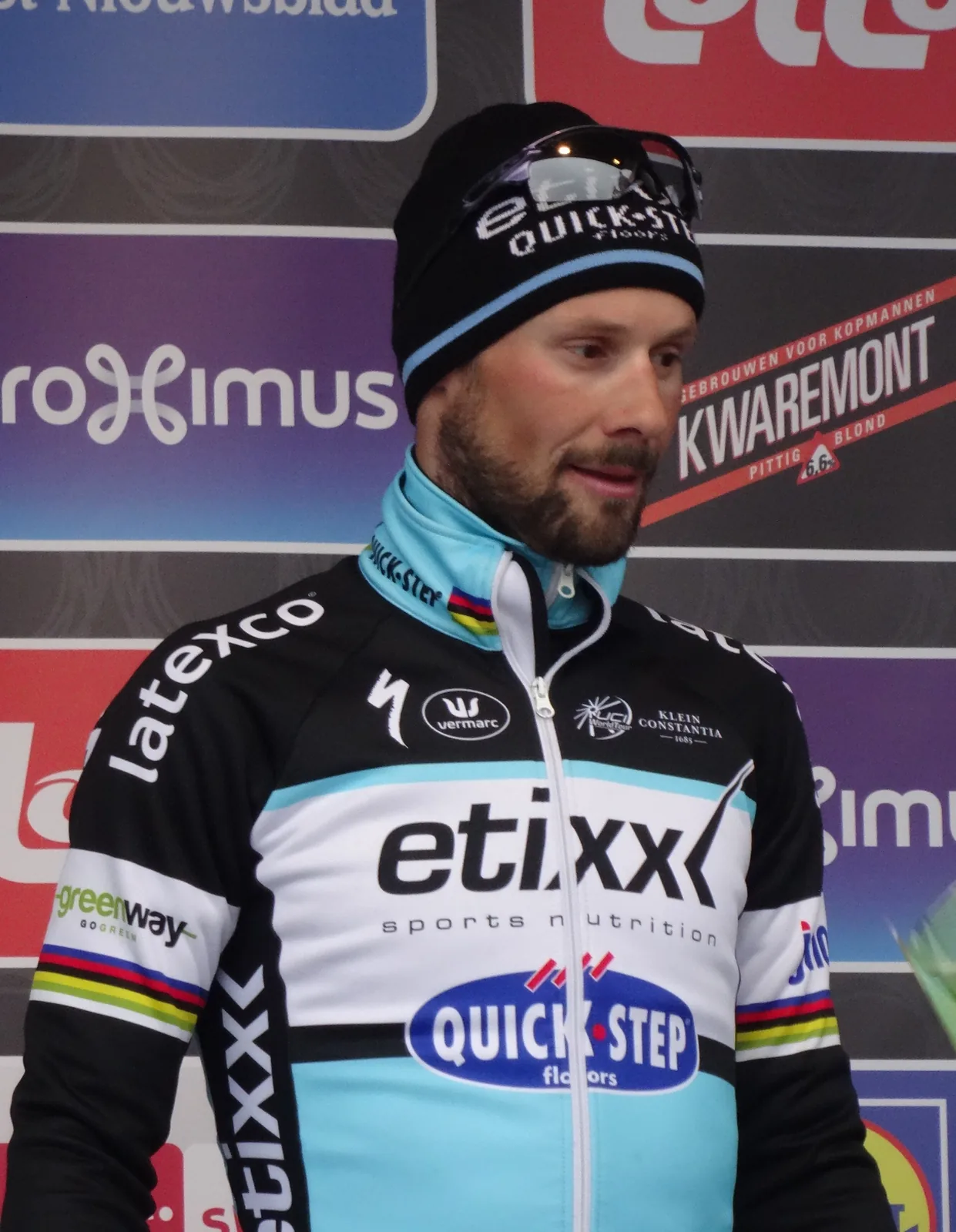
Boonen was world road champion in 2005 and won Paris–Roubaix and the Tour of Flanders several times before retiring in April 2017. He founded Iconiccars, a supercar business in Tienen, with Joeri Vanhumbeek, and later developed a Donkervoort dealership with Steve Lismont, investing his own time and money. The file shows how Boonen turned a lifelong interest in cars into a dealership: the side interest is allowed to become the company.
What did Jonathan Vaughters build after racing?
Vaughters rode the Tour de France as a professional and retired in the early 2000s. He started a development squad for young American riders with $50,000 of his own money, brought in Doug Ellis as investor in 2006, and built Slipstream Sports around testing riders far more than the sport required. Read how Vaughters built Slipstream Sports from a $50,000 development squad: a compromised first career demands a more inspectable second one.
What did Pat McQuaid build after racing?
McQuaid was Irish road champion in 1974, won the Tour of Ireland in 1975 and 1976, and rode briefly as a professional. He led the Federation of Irish Cyclists, organised the Tour of Ireland and the Tour de Langkawi, and was UCI president from 2005 until Brian Cookson beat him 24 votes to 18 in 2013. The profile traces how McQuaid went from Irish champion to race organiser to UCI president, and why governing a messy system is still leadership.
Who is this for?
Two kinds of leader. One is the former athlete now holding a profit and loss account, who has to separate the identity built in sport from the system a company needs. The other is the chief executive who never raced but recognises the pattern: a first success so complete that the second act feels beneath them.
In both cases the rider is evidence, not inspiration. Look at what they kept, what they had to learn and which partners already knew the trade. Then look at your version of each.
Rider, result, company, lesson
The lesson is the one I would put on the table in a first session.
| Rider | Peak results | Business | Sector | Lesson |
|---|---|---|---|---|
| Eddy Merckx | Five Tours de France; five Giros d'Italia; Vuelta a España 1973; world champion 1967, 1971, 1974; retired 1978 | Eddy Merckx Cycles | Bicycle manufacturing | Dominance is not a factory. You still need teachers. |
| Greg LeMond | Tour de France 1986, 1989, 1990; world road champion 1983, 1989 | LeMond Bicycles; LeMond Fitness; LeMond Composites | Bicycles and carbon fibre | Do not license the name and lose the system. |
| Sean Kelly | Paris–Roubaix 1984 and 1986; 1988 Vuelta a España; four Tour de France green jerseys; seven consecutive Paris–Nice wins | Sean Kelly Cycling Academy (Merchtem); Sean Kelly Continental team (2006–2017); Sean Kelly clothing range | Rider development and cycling apparel | A famous name opens the door. An operator keeps it open. |
| Chris Boardman | 1992 Olympic individual pursuit gold; three Tour de France stage wins and the yellow jersey; hour record 2000 | Boardman Bikes; Sport England (chair); Active Travel England (commissioner) | Bicycles, then public sport and active travel | The method is the product. Take it into every bigger brief. |
| Sir Chris Hoy | Six Olympic gold medals and one silver; 11 world titles on the track | HOY Bikes (with Evans Cycles); Hoy Vulpine clothing | Consumer bicycles and cycling apparel | Launch the project. Do not fake the product. |
| Alberto Contador | Seven Grand Tours; 2010 Tour and 2011 Giro stripped after a 2012 CAS ruling | Fundación Contador teams (Eolo-Kometa, Polti Kometa); Aurum Bikes (with Ivan Basso) | Professional cycling teams and high-end bicycles | Found with someone who raced the same brief, then build the pipeline one level at a time. |
| Fabian Cancellara | Olympic time-trial gold 2008 and 2016; four world time-trial titles; three Tour of Flanders and three Paris–Roubaix wins | Chasing Cancellara; Tudor Pro Cycling | Cycling events and team ownership | Know which chair you hold. An owner who tries to be the manager takes two jobs and does neither well. |
| Tom Boonen | World road champion 2005; four Paris–Roubaix and three Tour of Flanders wins | Iconiccars (Iconic Cars); Donkervoort dealership for Belgium | Automotive retail | The side interest is allowed to become the company, but only with people who already know the trade. |
| Jonathan Vaughters | Critérium du Dauphiné Libéré Mont Ventoux time trial 1999; Route du Sud 1999; professional 1994–2002 | Slipstream Sports (founder and CEO); teams' association AIGCP (president 2009–2013) | Professional cycling management | Confess the file. Then build a company that can stand inspection. |
| Pat McQuaid | Irish road race champion 1974; Tour of Ireland 1975 and 1976 | Race organisation (Tour of Ireland, Tour de Langkawi); Federation of Irish Cyclists; UCI president 2005–2013; cycle tourism | Sport governance and events | Governing a messy system is still a leadership job, and the record will judge it by more than intentions. |
If this is your transition, put the file on the table
I coach former elite athletes who now lead as chief executives, and athletes moving into leadership. Book a confidential 30-minute conversation. I will not pretend the jersey is a strategy.