For former elite athletes
From elite sport to the boardroom
The grit travels. The job does not. I coach the transition I have lived — from championship racing into the chief executive role.
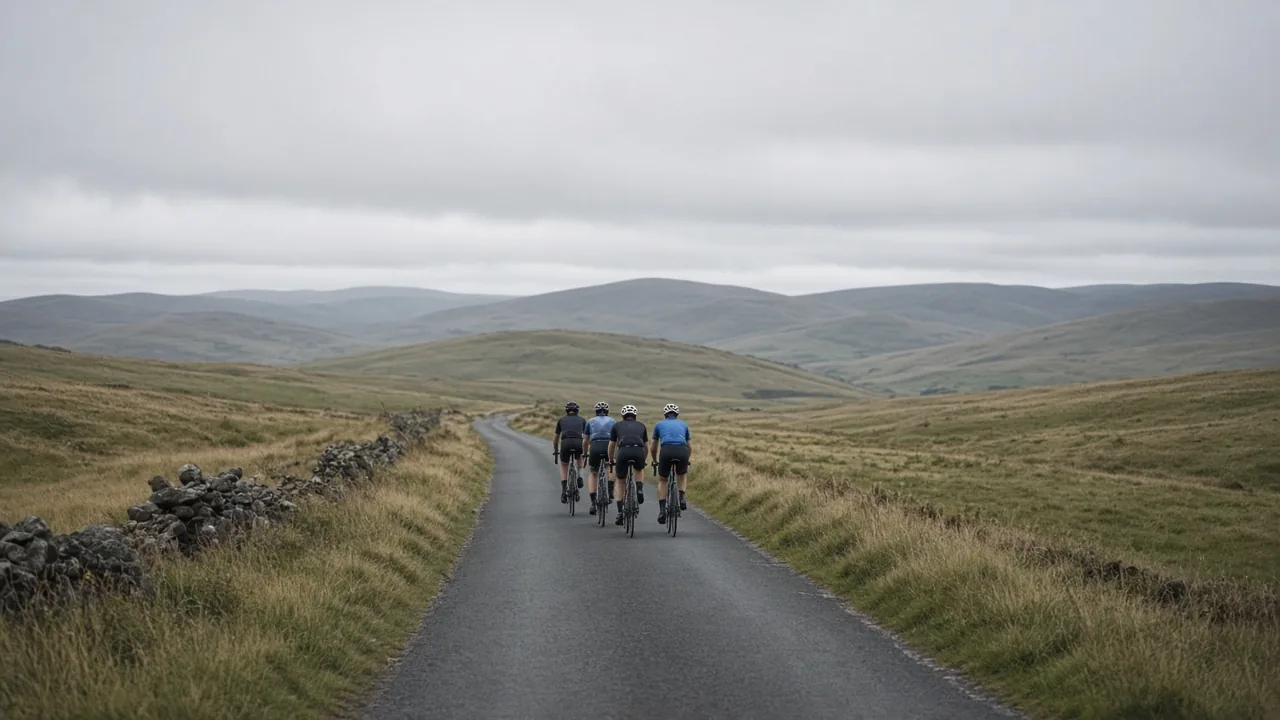
This page is for two groups who sit closer than they look: executives who used to compete at a serious level, and elite athletes moving into business leadership. You already know how to endure hardship. The work now is identity, patience, and turning a private standard into a strategy other people can run.
I won the Irish junior men’s national road race in 1983. I later ran companies in technology and services for more than twenty-five years, averaging close to 45 per cent annual growth, and I have coached hundreds of people from more than twenty countries. Those figures describe my history. They are not a promised coaching result.
I do not coach you to become an athlete. I coach you to stop treating the company like a permanent championship week — and, if you are leaving sport, to stop treating the company like a second peloton that ought to know the race plan without being told.
The field notes are on From the peloton to the boardroom: ten riders who raced at a serious level and later built or led a company, a team organisation, or a governing body. The lesson is for chief executives, not a hall of fame.
What the archives actually show
Here is what independent records show, and where I am speaking in my own words.
On 9 July 1983 I won the Irish junior men’s national road race. FirstCycling lists the event as Ireland RR-JR, a national championship, 103 kilometres, winner Murphy Linus. Wikipedia’s table of Irish National Cycling Championships for junior men puts the 1983 race at Bangor: gold Linus Murphy, silver Mark Murphy, bronze John Nolan. Irish race reports later called me a former national junior champion and a former Junior Irish Champion.
I was 16. That is a national title. It is not an elite senior championship. On this site, and in that 2024 interview, I have referred to winning the Irish National Road Championship. I stand by the win. I will not inflate the category.
A knee injury ended the first racing life. Nettavisen, writing in May 2007, reported that I had to stop because of the knee, that 17 years passed, and that I then formed Polar Sykkelklubb in Frogner, Norway. A 2009 Rás Tailteann preview said the same long gap and that I restarted at 38. I have not found races for those years.
The same preview described me as a former Orwell Wheelers club-mate of Stephen and Laurence Roche, and as having been on the Irish international squad. I have not found a Cycling Ireland start list for that squad. What the race reports do show is the second life on the bike: first in the B category at the Bray Grand Prix in February 2006, in Polar-Sykkelubb colours; second overall and winner of the points jersey at the Bertoni Gorey three-day in April 2007, riding as Norway; 86th on general classification at the 2008 Rás Tailteann; 20th in the 2008 Irish national road race.
I looked for a Cycling Ireland or UCI official post in my name. I did not find one. Pat McQuaid, former president of the UCI, has a testimonial on this site. That is a relationship, not a governance title.

The useful half of elite sport is the system: load, roles, recovery. The dangerous half is heroics.
What the peloton taught me about running a company
In interviews I have said that as an elite cyclist I learned discipline, data-driven marginal gains, and the power of recovery cycles. When I stepped into the CEO role at Rentokil Initial in the Nordics in the 1990s — a seat already on the About page — I applied the same cadence: assess the terrain, break the course into stages, protect the legs for the final climb. By the time I led Keystone Education Group from 2006, that mindset sat underneath the growth figure I still quote: an average of 45 per cent annual top-line growth in businesses I led.
Four transfers I actually use. They are the same five I wrote about in What elite sport taught me about boardroom performance, tightened for people who have lived the sport side.
Training blocks and quarterly plans. You cannot peak every week. In cycling we periodised intensity. In companies we stack travel, board cycles and product launches and then act surprised when judgement thins. A quarter is a block. It has a purpose, a load, and a come-down. If every month is a launch, you do not have a plan. You have anxiety with a logo.
Team tactics and executive roles. A domestique takes the wind. A road captain reads the race. A sprinter is protected until the last kilometre. If everyone is a leader, no one can take a pull. Executive teams that refuse roles perform alignment and then sprint into each other. The building winning teams chapter is the long form of that argument.
Suffering and resilience. Suffering is a cost you pay for a designed purpose. It is not a culture. In sport, the session has a number and a stop. In companies, people start wearing exhaustion as proof of belonging. That is how you get burnout on the scoreboard and call it commitment. The price tag of leadership is the honest version: what the seat costs and how you agree that price, how you move through discouragement, and a development plan you will actually keep.
Marginal gains, not magic. The useful lesson is not a one per cent poster. It is the refusal to treat small leaks as personality. Cadence reviews, a named standard, recovery that is scheduled rather than fictional. In the interview I called it velocity with control. As a chief executive it looks like a week you can inspect.
I have also said, in my own words, that corporate “drafting” is succession and shared leadership, and that a crash in kilometre five rarely decides the podium — composure does. CEOs have to normalise recovery after a market shock. That is not softness. That is how you still have legs for the finish. Composure is prepared before the race, which is why winning is an inside job; recovery after the crash is dealing with discouragement before it becomes a spiral.
What elite athletes bring — and what the transition costs
The grit is real. It is also not enough, and it is not rare among people who already hold a heavy seat.
An EY and espnW report published on 15 October 2015 found that 94 per cent of women in the C-suite had played sport, 52 per cent at university level. Seventy-four per cent of respondents said a background in sport can help accelerate a woman’s career; 61 per cent believed sporting involvement had contributed to their own career success. That is a correlation in a senior sample, not a law that sport produces executives. It is still a useful fact: the skills you built under a clock and a scoreboard are not a private hobby. Boards already hire them, whether they name sport on the CV or not.
The cost sits in identity. Brewer and Petitpas define athletic identity foreclosure as commitment to the athlete role without exploring occupational or ideological alternatives. The APA Division 47 note on career transitions (May 2016) ties a strong athletic identity, and that foreclosure, to difficulty adjusting after the sport career ends. Park, Lavallee and Tod reviewed 126 studies of athletes’ career transition out of sport (1968–2010) and grouped the correlates of adjustment into the transition itself — including self-identity — and the resources around it, such as social support. Their practical implication is unglamorous: proactive support, not a pep talk after the last race.
I see four specific failures in the room. They are not pathologies. They are design errors.
Identity after sport. When the title was “rider”, “player”, “international”, the week made sense. When the title is “director” or “founder”, the week is full of people who do not share the old clock. If the only story is the palmarès, a missed quarter feels like a broken femur. Leadership from the inside out is the work of widening the identity without throwing away the standard. In the 2024 interview I named identity foreclosure as a common issue for athletes and for founders. I still do.
From being coached to leading. Elite sport is a high-feedback, high-instruction environment. Someone else named the session. Someone else called the tactic. In the chief executive role you are the sports director and the rider. You have to set the race plan, take the pull, and still hear the truth. Most former athletes do not fail because they cannot work. They fail because they wait for a coach who is no longer there, or they become that coach in a way the team experiences as barking.
Patience with non-elite teams. You were selected. Most of the people you now lead were hired. They will not live at your intensity, and they should not. A peloton that tries to make every rider a GC contender blows up on the first climb. The job is to name roles, raise the floor, and stop treating ordinary competence as a moral insult. Players versus pretenders is a useful distinction. Contempt is not.
Translating discipline into strategy. Discipline without a destination is just a hard week. Transferring vision and goal setting are how a private standard becomes a course map other people can ride. In my own words: if the senior team cannot articulate the story you tell investors, you will stall. Handing every rider the same map is vision transfer. Cadence reviews every six weeks are how you keep the map honest.
The temptations that follow a win — the ones in why successful leaders stall — show up here too. You already know how to go harder. The stall is usually the refusal to change the system that produced the last medal.
What the peloton teaches / What the boardroom needs
| What the peloton teaches | What the boardroom needs | Misuse to leave on the road |
|---|---|---|
| Periodise load | Heavy cycles, then a recovery week you will actually keep | Treating every month as race week |
| Ride to a number | One lead and one lag the night shift can see | Forty dashboards and no decision |
| Named roles in the peloton | Decision rights and who takes the pull | “We are all leaders here” |
| Sports director plus rider | You set the plan and you still hear the truth | Waiting to be coached, or only barking |
| Come down after the event | Recovery after board, travel, or a shock | Celebratory drinks as the only decompression |
| Marginal gains on the file | Small leaks named while they are still cheap | A one-per-cent poster with no owner |
| Identity as rider is earned daily | Identity wider than the last result | Foreclosure: if the medal goes, the person goes |
Use the middle column. Fire anyone selling you the right-hand column as high performance.
A bike does not care about your story. Neither does a quarter. The file does.
How we work
This is executive coaching, not a sport-psychology clinic and not a motivational camp. We pick two or three levers from the thirty focus areas. For this transition the ones that show up most often are:
- Self and team awareness, leadership from the inside out, winning is an inside job — chapter 1
- Transfer vision effectively, goal setting successfully — chapter 3
- The price tag of leadership, deal with discouragement, your personal development plan — chapter 5
- Core values of winning teams, build high-performance teams — chapter 8
- Temptations of successful leaders — chapter 4
The commercial shape is the seven-step process: vision first, then insight, then the conversations and the system that have to carry the new identity. We do not guarantee a board seat, a medal, or a growth rate. We do inspect whether your week would survive a real race.
Sessions run over video. I work with leaders and athletes across time zones. If you want a conversation rather than a brochure, book 30 minutes.
Questions I am asked
Did you win a senior national championship?
The archives I can open show the 1983 junior men’s national road race, 9 July, 103 kilometres, listed at Bangor. That is the title I will stand on in public. When I have said “Irish National Road Championship” in interviews, I am pointing at that win, not at a senior elite title I cannot source.
Is this only for cyclists?
No. Cycling is the sport I can document. The work is for former elite athletes in executive seats, and for elite athletes moving into business leadership, in any sport. The transitions above — identity, being coached then leading, patience, discipline into strategy — do not belong to one discipline.
How is this different from ordinary executive coaching?
The executive coaching track is the same practice. This page exists because the brief is different. We spend more time on identity after sport, on the shock of leading people who were not selected the way you were, and on which half of elite sport to copy. If you have never competed at that level, start on the main executive page. If you have, start here.
I am still competing. Can I work with you?
Yes, if the live problem is the move into leadership — a founder seat, a first P&L, a board, a team that is not a squad. I am not your sports director. I will not write interval sessions. I will work the identity and the operating system so the next chapter is not an accidental crash.
Do you promise a board appointment or a growth number?
No. Past company growth describes businesses I led. Coaching is a confidential working relationship on live material. The seven-step process makes that inspectable. It does not make it a guarantee.
Sources
- FirstCycling, 1983 Ireland RR-JR — junior national road race, 9 July 1983, 103 km, winner Linus Murphy.
- Wikipedia, Irish National Cycling Championships — junior men, 1983, Bangor.
- FirstCycling, Linus Murphy — 2008 Rás Tailteann GC 86th; 2008 Ireland RR 20th.
- Tommy Campbell, Bray Grand Prix, 26 February 2006 — 1st B category, Polar-Sykkelubb/Norway.
- Tommy Campbell, Bertoni Gorey 3 Day, 9 April 2007 — 2nd overall, points jersey, former national junior champion, riding as Norway.
- Nettavisen, 10 May 2007 — Polar Sykkelklubb, Frogner, knee injury, seventeen-year break.
- Rás Tailteann preview, 22 April 2009 — Orwell, Roche brothers, reported Irish international squad, restart at 38. Squad list not independently verified.
- The Guardian on Pat McQuaid — former UCI president.
- EY/espnW via ESPN Press Room, 15 October 2015 — 94 per cent of women in the C-suite played sport.
- Brewer & Petitpas, athletic identity foreclosure, 2017.
- APA Division 47, Career Transitions in Sport, May 2016.
- Park, Lavallee & Tod, 2013 — systematic review of athletes’ career transition out of sport.
If you want to put a performance file on the table — sport to chair, or chair with a serious sporting past — book a confidential 30-minute conversation.
testimonials
What Other Successful Leaders Say
There are very few people who can both do and teach – but Linus is one of those rare business coaches. I highly recommend Linus to anyone who is looking to start or grow or scale a business – he’s been there and done that, and will do it for you, too.
Linus is unbelievably talented at understanding human behaviour and showing us how to effectively apply it in life. No matter who you are and how successful – Linus has lots to offer you.
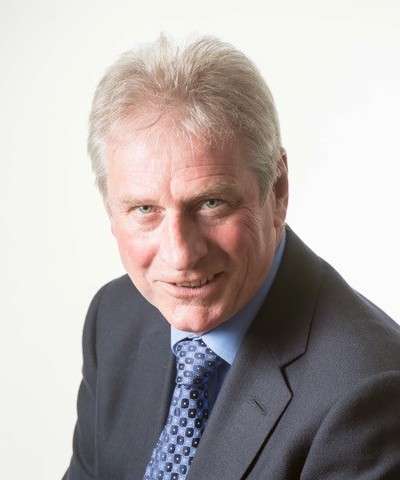
Linus is an inspirational leader, team builder and mentor. He develops people in a supportive, uplifting way to grow businesses. Above that, he is an insightful expansionist, clear-thinking visionary.
Linus is an extremely talented leader and coach, his passion, empathy and tour de force personality is mind blowing. He takes high performing individuals and unlocks their true potential. Work with him if you can, it’s worth every minute.
Next step
I work with a limited number of executive clients each quarter to protect depth. Book a confidential 30-minute conversation and let’s see whether we’re the right fit to accelerate your next season of growth.