Lonely at the Top: Designing Support for CEOs

Lonely at the top is a design problem, not a personality flaw. The role withholds honest mirrors: your team manages you, your board samples you, and your peers are also your market. I built a coaching practice because I spent decades carrying a P&L and I know how quiet the chair gets. Isolation is not cured. It is designed around—or it starts taxing judgment.
I do not offer companionship as a product. I offer a way to build support that is confidential where it must be and organisational where it must be.
Why the role isolates even strong teams
You become the person other people cannot think in front of. Direct reports edit. Founders you used to argue with now wait. A good chair still has a duty to the company, not to your unfinished sentence.
That is structural. It happens to extraverts and introverts, to first-time CEOs and to people who have done this twice. I wrote on the About page that leadership at the top is thrilling—and isolating. The thrill does not cancel the isolation. It often hides it.
Teams can be loyal and still leave you alone. Loyalty without candour is how you end up the last to hear. Blind-spots love that arrangement.
The cost of isolation on judgment and culture
Isolated CEOs do three expensive things. They delay irreversible calls because there is no one to pressure-test the frame. They over-share with the wrong audience—an exec who then has to carry a confidence, or a spouse who cannot act on it. And they go flat, which the company reads as strategy.
Culture copies the chair. If you have no place to think, the team learns that thinking is a private emergency. Meetings become theatre. Dissent waits for the corridor. Energy becomes a leak you explain as “just a heavy quarter.”
I have also watched isolation dress itself up as strength. No coach, no peer, no ritual with the chair—just stamina. That is not strength. That is an uninsured risk.
A support design: sparring partner, peer truth, board clarity
I ask CEOs to install three supports, not one hero relationship.
A sparring partner. Someone confidential who will not take your job and will not need you to be impressive. For many of the people I work with, that is 1:1 executive coaching—not because coaching is magic, but because the contract is clear.
Peer truth. A small group or one peer who runs a comparable chair and will tell you when your story is flattering. Peers are not for decisions that need an owner. They are for pattern recognition.
Board clarity. A cadence with the chair that is not only performance theatre. You need one conversation a cycle that is about how you are running the role, not only about the numbers.
If the team itself is the missing support—if they cannot tell each other the truth—add executive team coaching. Do not ask a 1:1 to compensate for a silent table.

Support is a designed conversation, not a personality transplant. The setting is optional. The contract is not.
Decision table: confidant types and what each is for
| Support type | Best use | Failure mode | Cadence |
|---|---|---|---|
| 1:1 CEO coach | Live decisions, identity, board interface | Becomes a weekly vent with no inspectable move | Two sessions a month, on a working brief |
| Peer forum | Pattern recognition, less isolation | Twelve opinions, no owner; leakage into the market | Half a day, monthly or quarterly |
| Chair / lead director | Role design, succession, capital | Turns into a second CEO or a performance review only | A standing private slot each cycle |
| Executive team | Shared judgment, dissent, handoffs | Performs alignment; CEO still thinks alone | Weekly ops plus a monthly deeper look |
| Spouse or close friend | Human ballast | They carry enterprise weight they cannot act on | Present — not used as a shadow board |
| Therapist or clinician | Health, grief, clinical distress | Substituted for operating design — or avoided until late | As they prescribe; I do not do this work |
Use more than one. A single confidant becomes a bottleneck and a myth.
Boundaries: what stays confidential vs what the org must hear
Confidentiality is not secrecy from the company. It is a line.
Stays confidential: your fear, your unfinished thinking, the version of the strategy you are not ready to speak, the personal constraint you are redesigning. The organisation must hear: the decision, the owner, the standard, the risk you have accepted.
If you use coaching to hide a call the team needs, you have bought a bunker. If you use the exec meeting as your only thinking space, you have bought a stage. I am explicit about this in CEO coaching versus generic training: the brief includes the line.
When the work is larger than the chair—culture, succession, a team that cannot run without you—the elite leadership transformation pairing exists so the person and the system move together. Still no promised outcome. A clearer contract.
How to start without signalling weakness
You do not announce a support system at the all-hands. You book it.
Tell the chair you are installing a confidential sparring relationship the way you would install an auditor: it is how serious companies reduce single-person risk. Tell the exec team only what they need—that you will be less available for corridor decisions because you are putting judgment in the right rooms.
If you are worried this looks weak, notice the story. Boards do not usually punish a CEO for having a designed mind. They punish drift, surprise and late truth. Isolation produces all three.
Start with one support this month. A coach, a peer, a standing slot with the chair. Then inspect whether your next call is cleaner. That is the only test I care about.
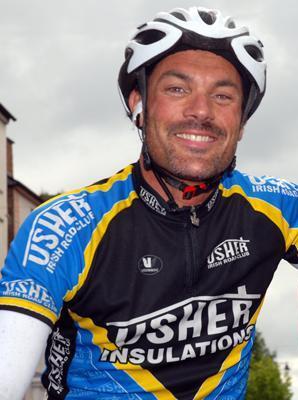
Sport taught me the same thing: nobody serious trains without a coach and a team around the rider. I wrote the transfers in what elite sport taught me. Doing the chair alone is not elite. It is just alone.
Closing
Design the mirrors. Keep the confidences that should stay quiet. Put the decisions where the company can use them. Lonely is normal. Uninsured is optional.
If you want to sketch that design in private, book a confidential 30-minute conversation.
Elite executive coach